
What are my rights during a DUI stop in PA?
Many people worry about police stops for drunk driving in Pennsylvania. A key question is, “What are my rights during a DUI stop in PA?” In this post, you will learn your legal rights at a DUI traffic stop and how to protect yourself.
Keep reading to find out what every driver should know before facing a breathalyzer or field sobriety test.
Your Legal Rights during a DUI Stop in Pennsylvania
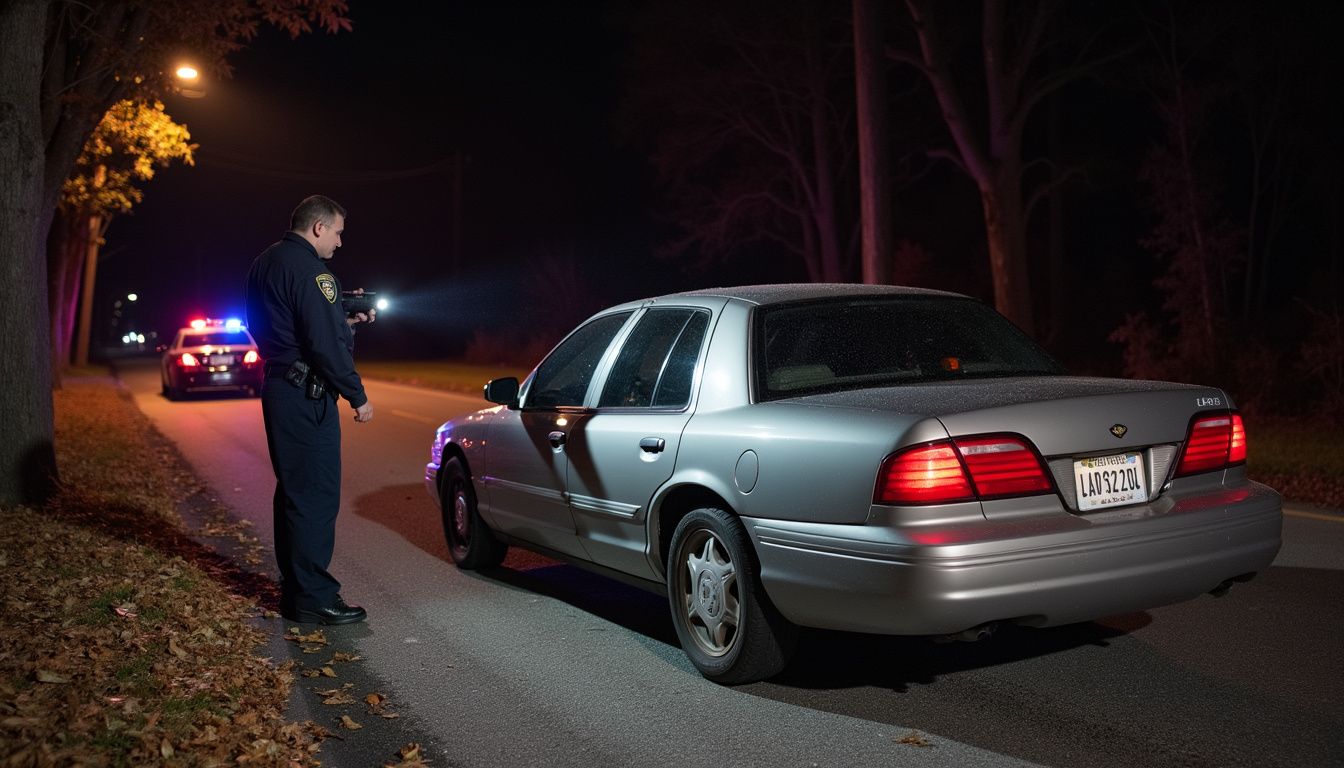
During a DUI stop in Pennsylvania, you have important rights. These rights protect you and help ensure fair treatment by law enforcement.
Right to remain silent

You have the right to remain silent during a DUI stop in Pennsylvania. This means you do not have to answer police questions about drinking or other topics. Anything you say can be used as evidence against you in court.
It is important to use this right. Admitting to drinking can lead to more problems. You must provide your name, license, registration, and proof of insurance. Know that staying silent helps protect your rights during this traffic stop.
Right to refuse field sobriety tests

Field sobriety tests are often given during a DUI stop in Pennsylvania. These tests measure a person’s balance and coordination. It is important to know that you can refuse to take these tests.
Refusing field sobriety tests will not lead to immediate penalties like refusing a breathalyzer. However, police may see your refusal as a sign of guilt.
Pennsylvania law allows you to say no to these tests. If you do refuse, it is crucial to stay calm and respectful. Focus on cooperating with police when they ask for your name, license, and registration.
Knowing the rules helps protect your rights. The next part discusses the right to refuse a breathalyzer or blood test.
Right to refuse a breathalyzer or blood test

A DUI stop can lead to tough choices. You have the right to refuse a breathalyzer or blood test. In Pennsylvania, this is part of your DUI rights. However, refusing a breathalyzer test comes with consequences.
If you say no, police may suspend your license. You could also face fines.
Pennsylvania has an implied consent law. This means that by driving in the state, you agree to take a chemical test if stopped for suspected DUI. Knowing your rights is essential. Refusing to take a test may impact your case.
Admitting to drinking can also work against you during a DUI stop.
Implied consent and chemical testing

In Pennsylvania, drivers give implied consent to chemical testing by being on the road. This means that when officers suspect DUI, they can ask for a breathalyzer or blood test. If you refuse, there are serious consequences, such as license suspension and fines.
The law is clear about this. By driving, you agree to comply with these tests if stopped for DUI. Even if you refuse, remember that the police might still charge you based on other evidence.
Knowing your rights during a DUI stop is crucial to protect yourself.
Right to legal representation

You have the right to legal representation during a DUI stop in Pennsylvania. An attorney can help protect your rights. They can guide you through the process after the stop. Police must follow laws.
If they do not, your attorney can challenge the stop and the evidence.
If you face DUI charges, an attorney knows the laws in Pennsylvania. They can evaluate the evidence against you. This includes checking for any police misconduct. Your lawyer can also communicate with prosecutors and courts.
They may negotiate a plea deal or seek to have charges dismissed. Knowing your rights is key, especially during a DUI stop.
How Kellis Law Firm Can Help Protect Your Rights

Kellis Law Firm offers strong legal help for those facing DUI charges. They know Pennsylvania laws and can create a solid defense strategy to fight unfair treatment from the police or prosecution.
Experienced legal representation

Experienced legal representation is vital during a DUI stop in Pennsylvania. A skilled attorney knows the state’s DUI laws well. They can help you understand your rights, such as the right to remain silent and the right to refuse field sobriety tests.
This knowledge can protect you from making self-incriminating statements.
An attorney can challenge any misconduct by police during the stop. They will examine the evidence against you and look for possible mistakes made by law enforcement. If needed, your lawyer can negotiate with prosecutors.
They may help seek a plea deal or even aim to dismiss the charges altogether. Having experienced legal help can greatly improve your chances in a DUI case.
Knowledge of Pennsylvania DUI laws

Pennsylvania DUI laws are clear. You have the right to remain silent during a DUI stop. You must give your name, license, registration, and proof of insurance. If stopped, you can refuse a breathalyzer test.
This could lead to a license suspension and fines. Pennsylvania has an implied consent law. By driving, you agree to take a chemical test if an officer suspects DUI.
A DUI stop must be legal. Police need a valid reason to stop your vehicle. Consequences for DUI include jail time, license suspension, and fines. It is vital to understand these laws.
Admitting to drinking can hurt your case. Know your rights to protect yourself during a DUI stop in Pennsylvania.
Defense strategies to challenge police and prosecution misconduct

Defense strategies can help challenge police and prosecution misconduct during a DUI stop. A key aspect is to show that the stop was not legal. Police need a valid reason to stop a vehicle.
If they lack justification, evidence may be thrown out.
Another strategy involves questioning the way tests were conducted. This includes field sobriety tests and breathalyzer tests. Errors can happen. For instance, if the breathalyzer is not calibrated properly, its results could be unreliable.
These weaknesses can aid in building a strong defense.
Having an experienced attorney can make a difference. They will understand Pennsylvania law and know how to find flaws in the prosecution’s case. Strong legal representation can help negotiate for better outcomes.
Understanding your DUI rights is essential in this process.
Evaluation of evidence and options

Defense strategies can focus on various aspects of your case. Evaluating the evidence is key to building your defense. This means looking at any proof the police gathered during your DUI stop.
Did they have a legal reason to pull you over? If not, that might help your case.
You should consider your options carefully. For instance, if you refused the breathalyzer test, there are possible penalties, such as license suspension and fines. Understanding these consequences is essential.
Working with an experienced attorney can help you navigate these challenges. They will look at the evidence, assess your choices, and determine the best path forward. Your attorney can also talk to prosecutors and courts to negotiate for a better outcome.
Communication with prosecutors and courts to negotiate a plea deal or seek dismissal of charges

After evaluating the evidence and your options, the next step involves communication with prosecutors and courts. A skilled attorney can negotiate on your behalf. They understand the details of Pennsylvania law and can discuss plea deals that may reduce your charges.
Seeking dismissal of charges is also possible in some cases. A good defense can challenge any misconduct by the police. This includes issues related to the legality of the stop or how evidence was collected.
Understanding these factors can lead to better outcomes for your DUI case.
Conclusion

You have rights during a DUI stop in Pennsylvania. Knowing these rights can help you stay safe and protect yourself. You can remain silent and refuse tests, but this may come with penalties.
Remember to ask for a lawyer if you feel unsure or threatened. Knowing what to do can make a big difference if you face a DUI situation.
FAQs
1. What are my rights during a DUI stop in Pennsylvania?
You have the right to remain silent during a traffic stop. You must give your name and license, but you do not need to answer other questions about alcohol use.
2. Can police make me take field sobriety tests at a DUI stop?
Police may ask you to perform field sobriety tests under Pennsylvania law. You can refuse these tests, but refusal may lead to arrest or more police authority actions.
3. Do I have to take a breathalyzer test in PA?
Pennsylvania uses implied consent laws for breathalyzer tests. If you drive on public roads, you agree to testing if police suspect DUI; refusing can bring license suspension and other penalties.
4. What should I know about arrest procedures at a DUI traffic stop?
If arrested for Driving Under the Influence, officers must follow legal steps under state law and Fourth Amendment rules. They will check your blood alcohol content (BAC) as part of the process.
5. Can I speak with an attorney after being stopped for DUI in Pennsylvania?
You have the right to attorney representation before answering questions once arrested for suspected DUI; this protects your rights throughout the legal procedure.