
How can I get my DUI case dismissed in PA?
Getting a DUI charge in Pennsylvania can feel scary and confusing. Many people think there is no way to fight the charges or get their DUI case dismissed. The truth is, with the right legal defense, you have options.
In fact, some cases are dropped because of mistakes made by the police during the traffic stop or arrest.
I am an experienced DUI attorney who has helped many clients use legal strategies like challenging evidence and joining the ARD program. I know how Pennsylvania law works after a DUI arrest.
Keep reading to learn smart ways to protect your rights and try for dismissal of your charges.
How to Dismiss a DUI Case in Pennsylvania

To dismiss a DUI case in Pennsylvania, you have options. You can complete the ARD program or challenge the traffic stop and tests used against you.
Successfully complete the Accelerated Rehabilitative Disposition (ARD) program

The Accelerated Rehabilitative Disposition (ARD) program offers a path to dismiss DUI charges in Pennsylvania. Completing this program can lead to a case dismissal. It is designed for first-time offenders and focuses on rehabilitation rather than punishment.
Participants must meet certain requirements, such as attending alcohol education classes and completing community service.
Successful completion of the ARD program helps avoid a DUI conviction. This program provides an opportunity for offenders to clear their record if they follow the rules. If you complete the program, your DUI charge may be dismissed.
This option allows individuals a second chance without the lasting impact of a conviction. It is important to stay informed and follow through with all aspects of the program to benefit fully.
Challenge the traffic stop or field sobriety tests

Challenging the traffic stop is key in a DUI case. Police must have a good reason, or probable cause, to stop a driver. If they do not, it may lead to a dismissal. Proving that the stop was unjust can weaken the prosecution’s case.
Field sobriety tests can also be questioned. These tests measure a driver’s ability to perform certain tasks. Many factors can affect a person’s performance, like nervousness or health issues.
If the tests were not done correctly, their results may be unreliable. Challenging this evidence can help in dismissing the DUI charges in Pennsylvania.
Contest chemical test results

Contesting chemical test results is a key strategy in fighting a DUI charge in Pennsylvania. If the blood alcohol concentration (BAC) readings are questioned, it could lead to a dismissal.
Many factors can affect the accuracy of these tests. It is crucial to show that the test was not done properly or that the equipment was faulty.
Proving a lack of proper procedures can weaken the prosecution’s case. Issues like improper handling of samples can affect results. Without solid evidence, the charges may not hold up in court.
This approach can increase your chances of having your DUI case dismissed.
Negotiate a plea bargain

Negotiate a plea bargain to help with your DUI case in Pennsylvania. This often means agreeing to a less serious offense. This can lead to a dismissal of DUI charges. You may avoid harsher penalties while still taking responsibility.
Strong legal defense can increase your chances of a good plea deal. Your attorney can help prove weaknesses in the case against you. This can include issues with the traffic stop or field sobriety tests.
A successful outcome may lessen the impact on your criminal record.
The Importance of a DUI Attorney

A DUI attorney is vital for anyone facing DUI charges. They know the laws well. These lawyers help you understand your options. They can challenge your traffic stop or field sobriety test.
If the police did not have a valid reason to stop you, your case may get dismissed. They will also check if the chemical test results are reliable.
Finding a good DUI attorney is key to your legal defense. They can negotiate a plea bargain, allowing you to plead guilty to a less serious offense. This can help get your DUI case dismissed.
Completing an ARD program with the help of your attorney may also lead to a dismissal. Your attorney will stand by you, ensuring your rights are protected throughout the process.
Pre-Trial Strategies for Dismissing a DUI Case

You can challenge the traffic stop if it was not legal. You may also question how the search or arrest was done to show problems with the evidence.
Challenging the traffic stop for being unconstitutional

Challenging the traffic stop can help get a DUI case dismissed in Pennsylvania. If the police did not have enough reason to stop you, the case may be thrown out. They need probable cause to pull you over.
Without it, the evidence they collect during the stop may not be valid.
Proving that the stop was unconstitutional is key. This can involve showing that the officer made a mistake or that you were not doing anything wrong. A strong legal defense can focus on these issues, which may lead to a dismissal of the DUI charges.
Challenging the legality of a search or arrest

Many DUI cases can get dismissed if the search or arrest was not legal. Police need a good reason to stop someone. If they did not have enough proof, it can help your case. A lawyer can look at the details of your stop.
They can find any errors, which may lead to dismissal.
If the traffic stop was not proper, the evidence collected may get thrown out. This includes results from field tests or breathalyzer tests. Without solid evidence, the prosecution may have a hard time winning the case.
This could mean the charges against you may get dropped.
Questioning the reliability of blood alcohol concentration (BAC) readings

Blood alcohol concentration (BAC) readings are often used in DUI cases. These readings show how much alcohol is in a person’s blood. Many people trust these results, but they might not always be accurate.
Factors such as the machine’s calibration and the way the sample is taken can affect results. If a machine is faulty, it can give a false high reading. This can help in getting a DUI charge dismissed.
Challenging the BAC results is an important part of DUI defense. Errors in testing or chain of custody issues can weaken the prosecution’s case. If a defense attorney finds problems with how the BAC was measured, it may lead to a dismissal of the charges.
The prosecution must prove that the BAC test was reliable and accurate. If they cannot do this, it may help your case.
Strong evidence against BAC results can shift the case in your favor. It’s crucial to address these readings in court. Questioning the evidence can lead to a better outcome in a DUI case.
This sets the stage for exploring alternative options for resolving a DUI case.
Other evidentiary issues such as chain of custody and relevance
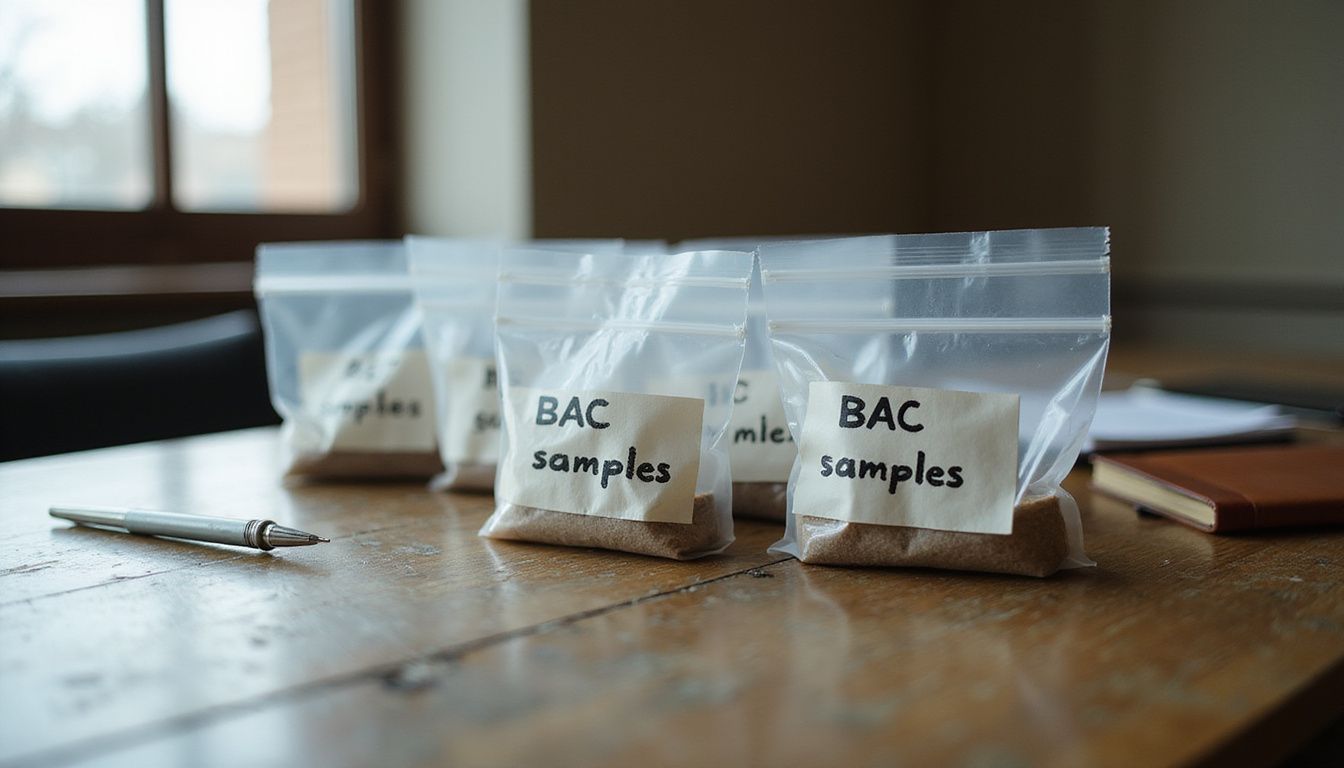
Questioning the reliability of blood alcohol concentration (BAC) readings often brings up other evidentiary issues. Chain of custody is one of the most important points. This means showing that the evidence was handled properly from the time it was collected until it reaches court.
If there is a gap or mistake in this process, the evidence may not be trustworthy.
Relevance is also key. For evidence to support a case, it must relate directly to the DUI charges. Unrelated evidence may confuse the issue. If the prosecution cannot show the relevance of certain facts, this can hurt their case against you.
Filing motions to challenge these evidentiary issues may help in getting your DUI case dismissed in Pennsylvania.
Alternative Options for Resolving a DUI Case

You can resolve a DUI case in different ways. You might join a diversion program. Another option is to negotiate a plea deal with the prosecution. You can also try to get the charges dropped completely.
Each choice has its own steps and benefits. Read more to learn how these options work.
Entering a DUI diversion program

A DUI diversion program can help people avoid a DUI conviction in Pennsylvania. Completing the Accelerated Rehabilitative Disposition (ARD) program is a key part of this process. If you finish this program successfully, it may lead to the dismissal of your DUI charge.
This program is often for first-time offenders and focuses on rehabilitation, not punishment. It usually includes counseling, treatment, and community service.
Using a DUI diversion program is a chance to resolve your case without going to court. This option can be beneficial for your record. Many people prefer this route to avoid serious consequences.
Exploring this opportunity can be important for your future. Next, let’s discuss the importance of a DUI attorney.
Pursuing a plea deal

Entering a DUI diversion program can lead to better options. Pursuing a plea deal is one such option. This deal lets you plead guilty to a less serious offense. This is common in Pennsylvania for DUI cases.
Doing this can result in a dismissal of your DUI charges.
A plea bargain often reduces penalties. It may keep a DUI conviction off your record. For some, this means fewer long-term effects on their lives. You may also avoid harsher punishments like jail time.
The goal is to find a solution that works for both sides.
Consulting with a DUI attorney is important during this process. They can help you understand your options. The attorney will negotiate terms that may benefit you. A successful negotiation can lead to a better outcome in your case.
Attempting to have the DUI charge dropped

Attempting to have the DUI charge dropped is a key strategy in Pennsylvania. This can happen if you complete the ARD program. Successfully finishing this program may lead to a dismissal of your DUI charge.
It helps to show that you are taking responsibility for your actions.
Challenging the evidence is another way to seek a dismissal. If the police did not have enough reason to stop or arrest you, your case might be weakened. Other factors can also matter.
For example, questioning the reliability of blood alcohol concentration (BAC) results can help your case.
Another option is to negotiate a plea bargain. This can allow you to plead guilty to a less serious offense. Doing this can lead to a more favorable outcome. Building a solid legal defense is important.
Good legal representation can make a big difference in your case. Understanding your rights and options is crucial in navigating the process ahead.
FAQs About Dismissing a DUI Case in Pennsylvania

If you face DUI charges, you might have many questions. It’s key to understand what can happen after an arrest.
Can I drive after a DUI arrest?

After a DUI arrest, driving may not be allowed. Police often take your license on the spot. A temporary license may be given. This will let you drive for a short time. However, this is usually limited to a few days.
To keep driving longer, you may need to apply for a hearing. If successful, your driving rights might be restored. Failing to request a hearing can lead to a longer license suspension.
Remember, driving with a suspended license can lead to more serious penalties. Always check the latest rules about DUI charges to know your options.
What happens if I refuse a breathalyzer test?

Refusing a breathalyzer test can lead to serious consequences. In Pennsylvania, this refusal often results in an automatic license suspension. This suspension can last for 12 months for first-time offenders.
Police may also see the refusal as a sign of guilt.
At court, refusing the breathalyzer test can hurt your defense. The prosecution can argue that you did so to avoid showing high blood alcohol concentration (BAC). This can make it harder to get your DUI charges dismissed.
Plea bargains may also be less favorable if you refused the test.
In some cases, completing the ARD program can still be an option. If you are accepted into this program, it could lead to a dismissal of your DUI charge. It is important to know your rights and seek help from a DUI attorney for the best chance of success.
Can a DUI be expunged in Pennsylvania?
After discussing what happens if someone refuses a breathalyzer test, it’s important to look at DUI expungement in Pennsylvania. A DUI conviction generally cannot be erased. However, there is an option if a person completes the Accelerated Rehabilitative Disposition (ARD) program.
Successful completion of this program can lead to the dismissal of a DUI charge.
Eligibility for the ARD program is crucial. This program helps first-time offenders. Those who finish the ARD program may qualify for an expungement. It removes the DUI from their record.
People should know that not all DUI convictions are eligible for this program. Understanding this aspect can make a big difference in resolving DUI charges.
Penalties for a first-time DUI
A first-time DUI charge in Pennsylvania can lead to serious penalties. A person may face fines, license suspensions, and potential jail time. The fines can range from $300 to $5,000.
License suspensions usually last six months or more. If the DUI involves a high blood alcohol concentration (BAC), penalties become harsher.
Completing programs like the ARD can help reduce these penalties. Successfully finishing the ARD program can even lead to the dismissal of the DUI charge. Avoiding a conviction is crucial, as it can impact your future in many ways.
Expected timeline for a DUI court case
A DUI court case in Pennsylvania can take several months to resolve. After an arrest, you usually have a hearing within 30 days. Discovery, where both sides share evidence, may also take a few weeks.
If you challenge the case, it could take longer.
If you enter the ARD program, the process speeds up. You may complete the program in six months to a year. Successful completion can lead to dismissal of your DUI charge. Missing a court date can add more time and may lead to serious consequences.
Consequences of missing a court date
Missing a court date can have serious consequences. The court may issue a bench warrant for your arrest. This means police can take you into custody. It can lead to more legal problems and extra fines.
The judge might not be lenient. In a DUI case, this could make matters worse.
The trauma from missing a date can affect your DUI defense. It may hurt your chances of getting your DUI case dismissed. Without showing up in court, the prosecution might view you as uncooperative.
This could weaken your position in front of the judge. A DUI attorney can help you navigate these challenges. Always take court dates seriously to avoid hurting your case.
Conclusion

Getting a DUI case dismissed in Pennsylvania is possible. You can complete the ARD program or challenge the arrest. Working with a good attorney can help lots. Explore all options, like plea bargains or diversion programs, to find the best path.
Taking action early can give you a better chance for a positive outcome.
FAQs
1. How can I get my DUI charges dismissed in PA?
You may get your DUI charges dismissed if the prosecution lacks strong evidence or if police made mistakes during your traffic stop. A skilled legal defense can help review court procedures and challenge the case.
2. Can a plea bargain help with dismissal of DUI charges?
A plea bargain does not always lead to full dismissal, but it might reduce your conviction or penalties. Your attorney can talk with the prosecution about possible deals based on the evidence.
3. What role does evidence play in dismissing a DUI case?
Evidence is very important for both sides. If key evidence is missing, unreliable, or collected wrong during the traffic stop, you have a better chance at dismissal of charges.
4. What is Pennsylvania’s ARD program and how does it affect my DUI case?
The ARD program offers some first-time offenders a way to avoid conviction by completing special requirements set by court procedures; successful completion often leads to dismissal of charges.
5. Do all cases qualify for dismissal through legal defense strategies?
Not every case will be dismissed, but an experienced DUI defense attorney knows court procedures and can spot problems in how police handled your arrest or gathered evidence that could lead to reduced penalties or dropped charges.