
What are the penalties for public intoxication in PA?
Many people worry about getting in trouble for public intoxication in PA. In Pennsylvania, being drunk in a public place is against the law and can lead to legal consequences. This post explains what counts as public intoxication, how it is different from DUI, and what penalties you may face if charged.
Find out what happens if you get caught and how to protect your rights.
What is Public Intoxication?
Public intoxication means being drunk in a public place. It is different from DUI, which involves driving under the influence of alcohol.
Definition
Public intoxication is when a person stands out as drunk in a public place. This can include streets, parks, and other areas where people gather. Unlike DUI charges, the law in Pennsylvania does not look at how much alcohol is in a person’s blood.
There is no minimum level of drunkenness specified. This makes the rules subjective. In Pennsylvania, being drunk in public is illegal. It can lead to legal consequences and punishment.
Differences from DUI
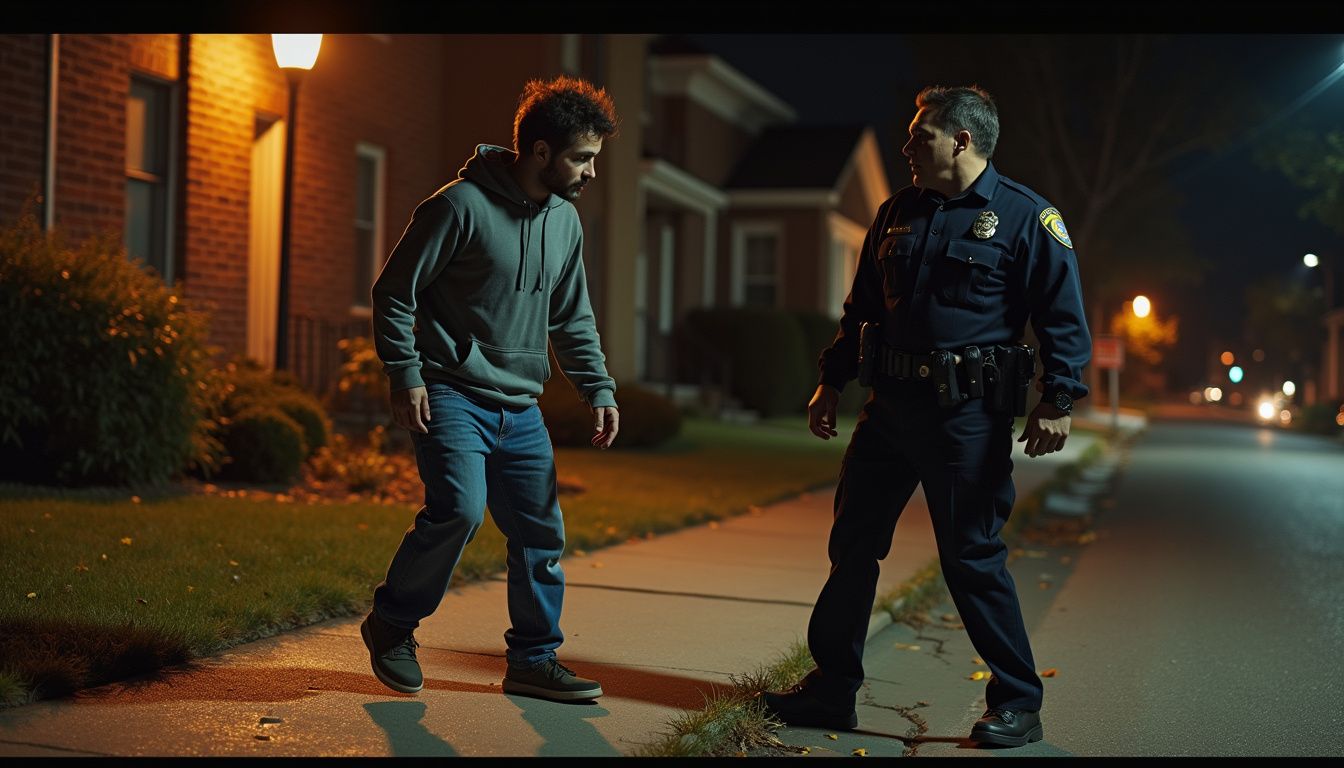
In Pennsylvania, public intoxication is different from a DUI charge. Public intoxication does not require a specific blood alcohol content (BAC) level. This law is subjective; being intoxicated in public is enough for a charge.
A person can be arrested for simply appearing drunk in a public place.
DUI, or Driving Under the Influence, involves driving a vehicle while impaired by alcohol or drugs. In that case, the law considers the BAC level. It is a more serious charge, with heavier penalties.
Public intoxication is a summary offense, while a DUI can lead to more severe legal consequences. This includes larger fines, mandatory education programs, or even jail time.
Penalties for Public Intoxication in PA

In Pennsylvania, public intoxication is a summary offense. It can lead to fines and possible jail time without needing to prove how drunk someone was.
Summary offense

Public intoxication is a summary offense in Pennsylvania. This means it is a less serious crime compared to felonies or misdemeanors. If caught, a person faces legal consequences but will not have a criminal record like with more severe charges.
The law states that being drunk in public is illegal, even without a specific blood alcohol content (BAC) level. A person can receive fines of up to $500 for a first offense and up to $1,000 for a second offense.
A summary offense is serious enough to need attention but not as harsh as a misdemeanor or felony.
No minimum level of intoxication

Public intoxication laws in Pennsylvania do not set a minimum level of intoxication. This means that an individual can face charges without any specific blood alcohol content (BAC) reading.
The law states that being intoxicated in public is illegal, regardless of how drunk someone might be.
This makes the rules about public drunkenness very broad. An officer can decide if a person is too drunk to be in public. People can get charged even if they do not seem very impaired.
Penalties for a first offense can include fines up to $500. For a second offense, fines can go up to $1,000.
Potential fines and jail time
Public intoxication in Pennsylvania can lead to serious penalties. A first offense may result in a fine of up to $500. For a second offense, the fine can be as high as $1,000. This law treats public drunkenness as a summary offense.
This means it is less severe than a misdemeanor. Jail time is less common but can still happen. People can face up to 90 days in jail for repeat offenses. No minimum level of intoxication is needed to charge someone.
Law enforcement can act based on observations alone. These penalties show that alcohol-related crimes are taken seriously in Pennsylvania.
Defending Against a Public Intoxication Charge
You can fight a public intoxication charge. An attorney can help you appeal a summary conviction and build your defense.
Fighting the charge
Fighting a public intoxication charge in Pennsylvania can be challenging. It is a summary offense, so the penalties can vary. A person charged does not have to show a certain blood alcohol content (BAC) level.
Instead, being visibly drunk in public is enough for a charge.
Hiring an attorney is a good step. An attorney can help to evaluate the case. They may find flaws in how the charge was made. Legal advice can guide you on whether to fight or negotiate.
Delaying a court appearance might help your case, too.
Appealing a summary conviction

Appealing a summary conviction in Pennsylvania is possible, but it can be tricky. If someone feels wronged by their conviction for public intoxication, they can file an appeal. The process starts by submitting the appeal to the appropriate court.
This must be done within 30 days after the conviction. The appeal will argue that the original decision was unfair or based on mistakes in the law. It can be helpful to consult with a lawyer.
A good attorney can provide advice and help build a strong case to possibly overturn the conviction.
Understanding the penalties for public intoxication, like fines and potential jail time, is crucial for anyone facing such charges in PA.
Hiring an attorney

Hiring an attorney is a smart move if you face public intoxication charges in Pennsylvania. An attorney can help you understand the law and your rights. Public intoxication is a summary offense in PA.
It does not consider your blood alcohol content. You can be charged even if you are not very intoxicated. An attorney can guide you through this process.
If you receive a summary conviction, you may want to appeal. A lawyer can help you with this as well. They know the laws about public drunkenness and can build a strong defense. The penalties may include fines up to $500 for a first offense and $1,000 for a second.
A lawyer can help reduce these penalties or even get the charges dismissed. Seeking legal advice can lead to a better outcome for your case.
Conclusion
Public intoxication in Pennsylvania can lead to serious penalties. A person may face fines up to $500 for a first offense. A second offense can cost up to $1,000. This charge is a summary offense.
Understanding the law helps you know what to expect if faced with these charges.
FAQs
1. What are the penalties for public intoxication in Pennsylvania?
In Pennsylvania, public intoxication is a summary offense. Penalties often include fines and may lead to a criminal record.
2. Is public intoxication considered an alcohol-related crime in PA?
Yes, it is an alcohol-related crime under Pennsylvania laws. It falls under public misconduct and can have legal consequences.
3. Can you go to jail for a conviction of public intoxication in PA?
Most convictions do not result in jail time; they usually mean paying fines or facing other penalties related to substance abuse or disorderly conduct.
4. How does a DUI differ from public intoxication offenses in Pennsylvania?
A DUI, which stands for Driving Under the Influence, involves operating a vehicle after drinking alcohol. Public intoxication means being drunk in public without driving but both are alcohol-related offenses with separate penalties.
5. Will having a summary offense for intoxication affect your criminal record in PA?
Yes, if convicted of this summary offense, it becomes part of your record as an alcohol law violation and could impact future background checks depending on the situation and local rules regarding criminal charges.