
Can you get a DUI on a bike or a horse in Pennsylvania?
Many people wonder, “Can you get a DUI on a bike or a horse in Pennsylvania?” Under state law, it is possible to face DUI charges for bicycling while intoxicated. This post will explain how Pennsylvania regulations apply to bikes and horses, and what penalties you may face if caught riding under the influence.
Keep reading to stay safe and informed.
DUI Charges while Riding a Bike or Horse in Pennsylvania

Riding a bike or horse while impaired can lead to serious DUI charges in Pennsylvania. Violating these laws can result in legal penalties that affect your freedom and finances.
Biking under the influence of alcohol or drugs
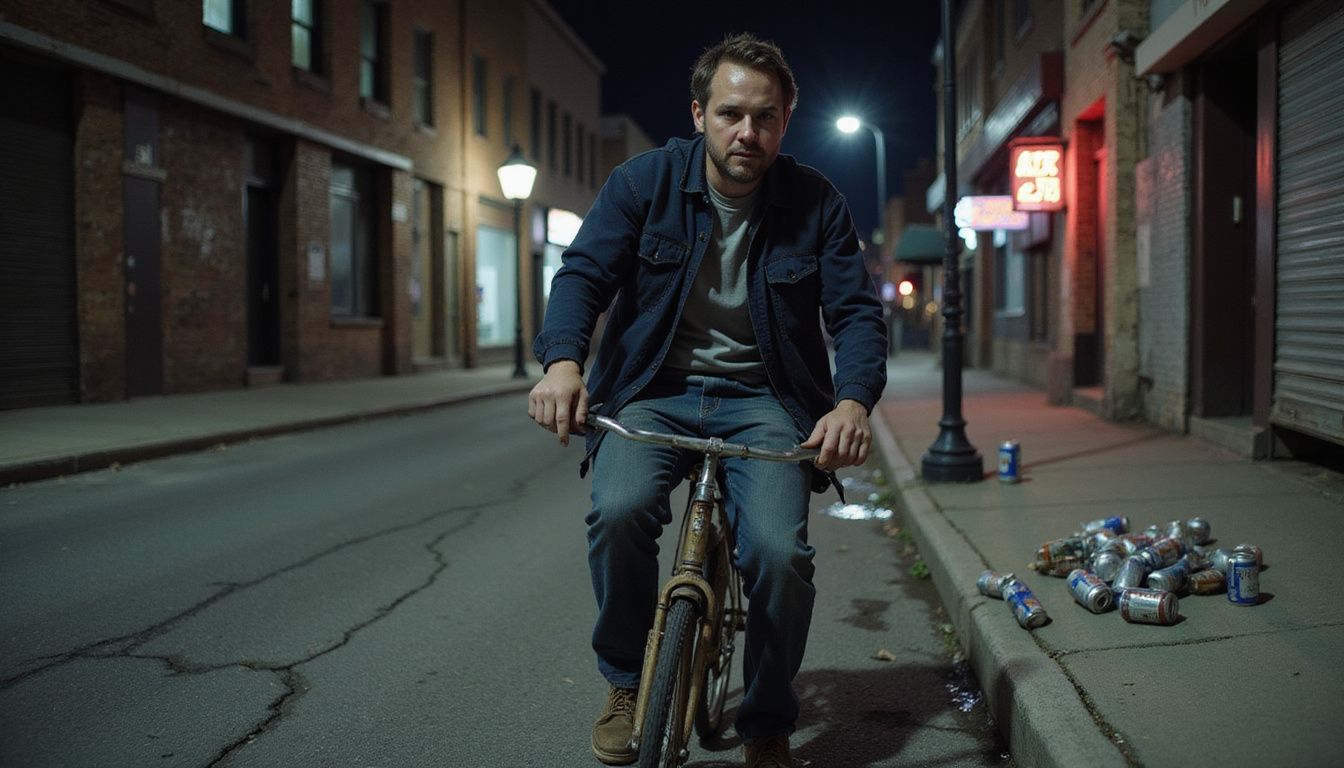
In Pennsylvania, individuals face DUI charges while biking under the influence of alcohol or drugs. If a rider has a blood alcohol content (BAC) of 0.08% or higher, they can be charged with a DUI.
This law includes bicycles since Pennsylvania defines any nonmotorized vehicle as a “vehicle.” Riders need to understand that DUI laws apply to them just as they do to motor vehicle operators.
Legal penalties can include fines, license suspensions, and even jail time. Public safety remains a concern, and local traffic laws aim to keep all road users safe.
DUI charges while riding a horse-drawn vehicle

Biking under the influence of alcohol or drugs can lead to serious consequences. DUI charges also apply to horse-drawn vehicles in Pennsylvania. Horses and their carts count as vehicles under state law.
This means that if someone operates a horse and buggy while intoxicated, they can face DUI penalties.
The law does not specify “motor vehicle,” so bicycles and horse-drawn vehicles fall under DUI regulations. A person can receive a DUI if found impaired while controlling a horse-drawn vehicle.
Understanding these legal regulations is crucial for anyone who enjoys horseback riding or driving these unique vehicles.
Consequences of DUI on a bike or horse

In Pennsylvania, individuals can face DUI charges while riding a bike if they have a blood alcohol content (BAC) of 0.08% or higher. This applies even though bicycles are classified as nonmotorized vehicles under state law.
A DUI conviction can lead to legal consequences, including fines, license suspension, and even possible jail time.
Riding a horse-drawn vehicle can also result in DUI charges since horses and horse-drawn vehicles qualify as vehicles in Pennsylvania. Although riding a horse on its own does not typically lead to a traditional DUI charge, individuals may still encounter legal trouble under equine law.
It is crucial to understand these regulations to ensure safe riding. Now let’s explore some safety tips for riding a bike or horse in Pennsylvania.
Safety Tips for Riding a Bike or Horse in Pennsylvania

Riders should know the laws for biking and horseback riding in Pennsylvania. Always wear safety gear and stay alert to traffic conditions around you.
Know the law and follow it

Understanding the law is crucial for anyone riding a nonmotorized vehicle in Pennsylvania. Individuals can face DUI charges while biking if their blood alcohol content (BAC) reaches 0.08% or higher.
This applies to bicycles as the DUI law in Pennsylvania does not limit its definition to motor vehicles. Riding a horse in traffic does not lead to traditional DUI charges. However, a horse-drawn vehicle is classified as a vehicle, so DUI penalties apply if the operator is impaired.
Being aware of these traffic laws helps prevent serious legal consequences for alcohol-related offenses. Always prioritize safety and follow the rules to ensure responsible riding.
Don’t operate a bike or horse while intoxicated

Riding a bike or horse while intoxicated can lead to serious consequences. In Pennsylvania, cyclists with a blood alcohol content (BAC) of 0.08% or higher can face DUI charges. These charges apply because laws in the state define bicycles as vehicles.
Horse-riding is a bit different. While riding a horse on public roads does not carry a traditional DUI charge, people can still receive DUI penalties for operating a horse-drawn vehicle while impaired.
Avoid risking your safety and freedom. Intoxication affects your ability to control nonmotorized vehicles like bikes and horse-drawn buggies. Staying sober while riding helps ensure you follow traffic laws and enhances road safety.
Be responsible and make safe choices to prevent alcohol-related offenses.
Be aware of road safety and have proper equipment

Road safety is crucial for anyone riding a bike or horse in Pennsylvania. Always follow traffic laws to ensure a safe ride. Being aware of your surroundings helps prevent accidents.
Carry proper equipment like helmets for bikes and ensure horses have the right gear. The law requires that horses and horse-drawn vehicles are considered vehicles, so they must follow similar traffic regulations.
Make sure your bike is in good condition and equipped with lights if riding at night. This helps you stay visible to others on the road. Operating a bike with a blood alcohol content (BAC) of 0.08% or higher can lead to DUI charges.
Prioritize safety and stay sober to avoid legal issues and enjoy your ride.